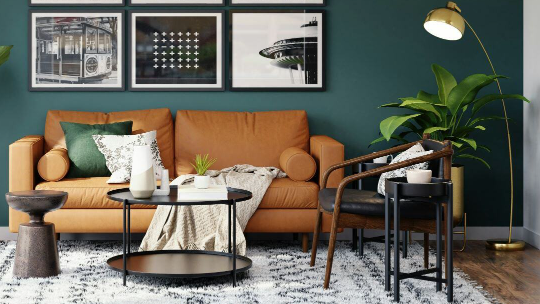
Creative DIY projects that improve home value blend practical appeal with lasting durability. Quick-win curb-appeal hacks pair fresh exteriors, refreshed entry doors, and tidy landscaping with strategic lighting that looks good at resale. Inside, smart storage and clearly labeled containers reduce clutter, while budget-friendly finishes and durable floors hold up under traffic. The goal is timeless, cohesive accents that feel deliberate, not trendy. Such choices set a solid foundation for smarter negotiations—and a natural path to the next step.
How DIY Upgrades Boost Home Value, Fast
DIY upgrades can boost a home’s perceived value quickly by delivering noticeable improvements at a reasonable cost. The approach focuses on smallscale ROI, prioritizing projects that yield measurable impact without overhauling systems. By targeting curb appeal, efficiency, and timeless finishes, homes achieve a quick payoff through refreshed aesthetics and functional upgrades, enabling homeowners to negotiate confidently while maintaining freedom to customize further.
Quick-Win Projects for Immediate Curb Appeal
Quick-wins for immediate curb appeal center on high-impact, low-effort changes that create noticeable difference at a glance. This pragmatic analysis highlights quick win curb appeal tactics and fast value projects that transform facades without disruption. Focused actions include fresh paint, refreshed entry doors, tidy landscaping, improved lighting, and seasonal accents. Results appear quickly, boosting curb presence and buyer confidence with minimal investment.
Smart Storage and Organization That Pay Off
Smart storage solutions deliver tangible value by maximizing usable space without costly renovations. The approach emphasizes practical systems that streamline daily routines, reduce clutter, and keep essentials accessible. With thoughtful organization payoff, homeowners see quicker room turnover and lower maintenance costs. Budget hacks, modular components, and labeled containers contribute to a clear value boost, empowering owners to enjoy freedom and cleaner living spaces.
Budget-Smart Renovations With Big Impact
Budget-smart renovations with big impact focus on cost-conscious upgrades that yield durable improvements in function and appearance. The approach emphasizes budget smart choices that maximize value without sacrificing quality. Practical, high-impact changes include durable flooring, refreshed fixtures, and energy-efficient enhancements. A detached perspective guides readers to deliberate upgrades, balancing cost, longevity, and aesthetics for freedom-minded homeowners seeking reliable, measurable gains.
Frequently Asked Questions
How Long Do DIY Projects Typically Add to Resale Value?
DIY timeframes vary, typically adding modest resale impact metrics over several years; improvements like kitchens and baths often yield meaningful bump, while cosmetic changes fade faster. Projects are practical investments offering lasting, freedom-oriented value rather than instant gains.
Which Rooms Have the Highest ROI for Upgrades?
Bathrooms and kitchens yield the highest ROI; bathroom renovations and kitchen upgrades deliver the strongest resale lift, especially when updated with modern fixtures, efficient layouts, durable finishes, and timeless design that appeals to freedom-seeking buyers.
Do DIY Improvements Affect Home Insurance Premiums?
The question: DIY improvements can affect home insurance premiums. The DIY insurance impact hinges on project quality and risk factors; premium risk factors include safety compliance, material quality, and contractor oversight, potentially reducing or raising costs based on assessed risk.
See also: The Risks of Leverage Trading in Crypto
Are There Neighborhood Trends That Limit Value Gains?
Ironically, yes—neighborhood trends can cap gains; market consistency matters, yet buyers crave consistency. The deterrent: zoning constraints. In practical terms, neighborhood consistency and zoning constraints shape value trajectories, guiding owners toward compliant, targeted upgrades that preserve freedom while protecting interest.
What Permits Are Required for Common DIY Renovations?
Permits needed vary by locality, but generally involve building or electrical approvals; DIY renovations should not bypass them. The honest stance: consult local code offices, secure required permits, and document every step to protect freedom and value.
Conclusion
In sum, homeowners can nudge value with careful, low-risk updates that whisper rather than shout. A refreshed entry and tidy exterior imply pride of ownership, while organized storage saves daily friction. Timeless palettes and cohesive accents reduce future obsolescence, much like a well-edited closet that reveals potential rather than clutter. Budget-smart renovations, chosen for durability and charm, offer a quiet return on effort—worth considering when negotiating, as practical improvements speak softly, yet decisively, to future buyers.