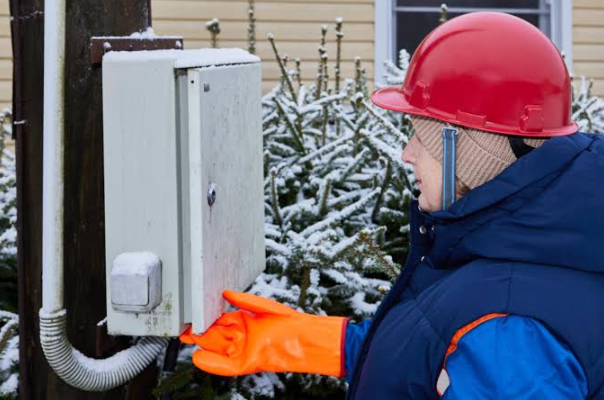
Severe weather conditions can affect residential electrical systems in several ways. Heavy rainfall, strong winds, lightning, and unexpected power outages may create electrical hazards or expose weaknesses in existing equipment. For homeowners, maintaining reliable electrical infrastructure is an important part of preparing a property for extreme weather conditions.
Understanding how weather affects electrical distribution equipment can help homeowners recognize potential risks, protect household appliances, and make informed decisions about necessary electrical improvements.
Understanding the Impact of Severe Weather on Home Electrical Systems
Residential electrical systems depend on properly installed equipment to distribute electricity throughout a property.
During severe weather, external conditions may affect utility connections, electrical wiring, and protective devices.
Although household electrical equipment is designed to operate under specified conditions, exposure to water, excessive voltage, or physical damage can compromise its reliability.
Several weather-related conditions can affect residential electricity distribution:
- Lightning-related electrical surges.
- Water intrusion during heavy rainfall.
- Damage caused by strong winds.
- Utility power interruptions.
- Moisture-related corrosion.
- Electrical faults following flooding.
Professional electrical assessments can help identify damage and determine whether equipment remains safe for continued operation.
Common Weather-Related Electrical Problems
Severe weather can create different electrical challenges depending on the property’s location, construction, and existing infrastructure.
Electrical Surges During Storms
Lightning and certain utility disturbances can produce temporary increases in voltage.
These surges may damage sensitive electronic equipment or electrical components.
Properly selected surge protective devices can help reduce certain risks associated with transient overvoltages.
Water Intrusion
Heavy rainfall and flooding can allow water to enter basements, utility rooms, and other areas containing electrical equipment.
Moisture exposure can damage insulation, connections, and protective components.
Flood-affected electrical equipment should be evaluated by a qualified electrician before being returned to service.
Strong Wind Damage
High winds can damage overhead utility lines, service connections, and exterior electrical installations.
Homeowners should stay away from fallen power lines and report them to the appropriate utility provider.
Unexpected Power Interruptions
Severe weather can interrupt electricity supplied by the utility network.
Power outages may affect heating systems, refrigeration, communication devices, and other essential household equipment.
Corrosion Following Moisture Exposure
Electrical equipment exposed to moisture may develop corrosion over time.
Corroded components can affect electrical reliability and may require professional repair or replacement.
Warning Signs of Weather-Related Electrical Damage
After severe weather, homeowners should observe electrical equipment only from a safe distance and avoid touching anything that appears damaged or wet.
Unusual Burning Odors
A burning smell near electrical equipment may indicate overheating or damaged electrical components.
This condition requires urgent professional attention.
Repeated Circuit Breaker Trips
Circuit breakers that repeatedly trip after a storm may indicate damaged wiring, moisture intrusion, or other electrical faults.
Flickering Lights
Persistent flickering after utility power has been restored may indicate voltage fluctuations or connection problems.
Visible Water Damage
Water stains, rust, condensation, or standing water near electrical equipment can indicate potentially dangerous conditions.
Unusual Electrical Sounds
Buzzing, popping, or crackling sounds may indicate electrical faults requiring professional investigation.
When Should Homeowners Consider Replacing Damaged Electrical Equipment?
The extent of weather-related damage determines whether electrical equipment can remain in service.
Minor problems may sometimes be corrected through professional repairs, while severely damaged or water-exposed components may require replacement.
In certain situations, an electrical panel replacement may be necessary when distribution equipment has sustained significant moisture damage, severe corrosion, or other deterioration that compromises its safe operation.
A licensed electrician should inspect affected equipment and determine the appropriate corrective measures.
Electrical equipment submerged during flooding should not be reenergized without professional evaluation, even if it appears dry afterward.
How to Protect Residential Electrical Equipment From Severe Weather
Homeowners can take several preventive measures to reduce potential weather-related electrical risks.
Address Water Leaks Promptly
Plumbing leaks, damaged roofing, and drainage problems can allow moisture to reach electrical installations.
Repairing water intrusion sources helps protect electrical infrastructure.
Maintain Proper Exterior Electrical Protection
Outdoor electrical equipment should have enclosures and components suitable for the environmental conditions in which they are installed.
Professional inspections can identify damaged covers, unsuitable installations, or deteriorating weather seals.
Consider Surge Protection
Appropriate surge protective devices can help reduce damage from certain temporary voltage increases.
A qualified electrician can recommend suitable protection based on the property’s electrical installation.
Keep Electrical Equipment Accessible
Distribution equipment should remain accessible for inspection, maintenance, and emergency situations.
Avoid storing household materials directly in front of electrical enclosures.
Schedule Professional Inspections
Electrical assessments can help identify developing problems, particularly after significant storms or water exposure.
Preparing Your Home for Power Outages
Power interruptions can occur during severe weather even when a home’s internal electrical equipment is functioning correctly.
Proper preparation helps reduce inconvenience and potential safety concerns.
Identify Essential Electrical Equipment
Homeowners should consider which appliances and systems require electricity during an outage.
Refrigeration, medical equipment, heating systems, and communication devices may be important depending on household needs.
Use Safe Backup Power Options
Portable generators and other backup electricity sources must be operated according to manufacturer instructions.
Fuel-powered generators should never be operated indoors, in garages, or near openings where exhaust gases can enter the home.
Install Proper Transfer Equipment
Connecting a generator directly to household wiring without approved transfer equipment can create dangerous backfeeding conditions.
Generator connections should be installed by qualified electrical professionals.
Protect Sensitive Electronics
Suitable surge protection and uninterruptible power supplies may help protect certain electronic devices from power disturbances.
Follow Utility Safety Instructions
During outages, homeowners should follow official guidance from their electricity provider and avoid approaching damaged utility equipment.
What to Do After Flooding Affects Electrical Equipment
Flooding creates serious electrical hazards that require careful handling.
Avoid Contact With Wet Electrical Equipment
Never touch electrical distribution equipment while standing in water or when the equipment is visibly wet.
Do Not Attempt to Restore Power Yourself
Flood-damaged installations should remain disconnected until qualified professionals determine that reenergizing them is safe.
Arrange a Professional Inspection
A licensed electrician can evaluate affected wiring, connections, and protective components.
Replace Unsuitable Damaged Components
Certain water-exposed electrical devices may require replacement according to manufacturer instructions and applicable safety guidance.
Verify Safe Operation
Appropriate inspection and testing should be completed before affected electrical installations return to normal service.
Why Professional Electrical Services Are Essential After Severe Weather
Storm-related electrical damage may not always be visible from outside an enclosure.
Electrical components can remain dangerous even when protective breakers are switched off.
Qualified electricians have the technical knowledge, safety equipment, and training necessary to identify electrical hazards and recommend suitable repairs.
They can also evaluate equipment compatibility, assess damage, and verify that completed work complies with applicable electrical codes.
Professional assistance is particularly important following flooding, lightning damage, or repeated electrical faults.
Long-Term Benefits of Weather-Resistant Electrical Planning
Preparing electrical infrastructure for environmental hazards can improve household safety and reduce unexpected equipment problems.
Properly maintained electrical enclosures, suitable surge protection, effective drainage, and professional inspections all contribute to more reliable operation.
Homeowners who understand the risks associated with severe weather can also make better decisions about backup electricity and emergency preparedness.
Although no residential electrical system can prevent every weather-related power interruption, appropriate planning can help reduce avoidable hazards and equipment damage.
Conclusion
Severe weather can create significant challenges for residential electrical systems. Lightning-related surges, heavy rainfall, flooding, and utility interruptions may affect electrical reliability and household safety.
Recognizing warning signs, protecting equipment from moisture, and arranging professional assessments after significant weather events are important preventive measures.
By maintaining suitable electrical infrastructure and preparing for unexpected power interruptions, homeowners can improve their property’s resilience and support safer electricity distribution throughout the year.